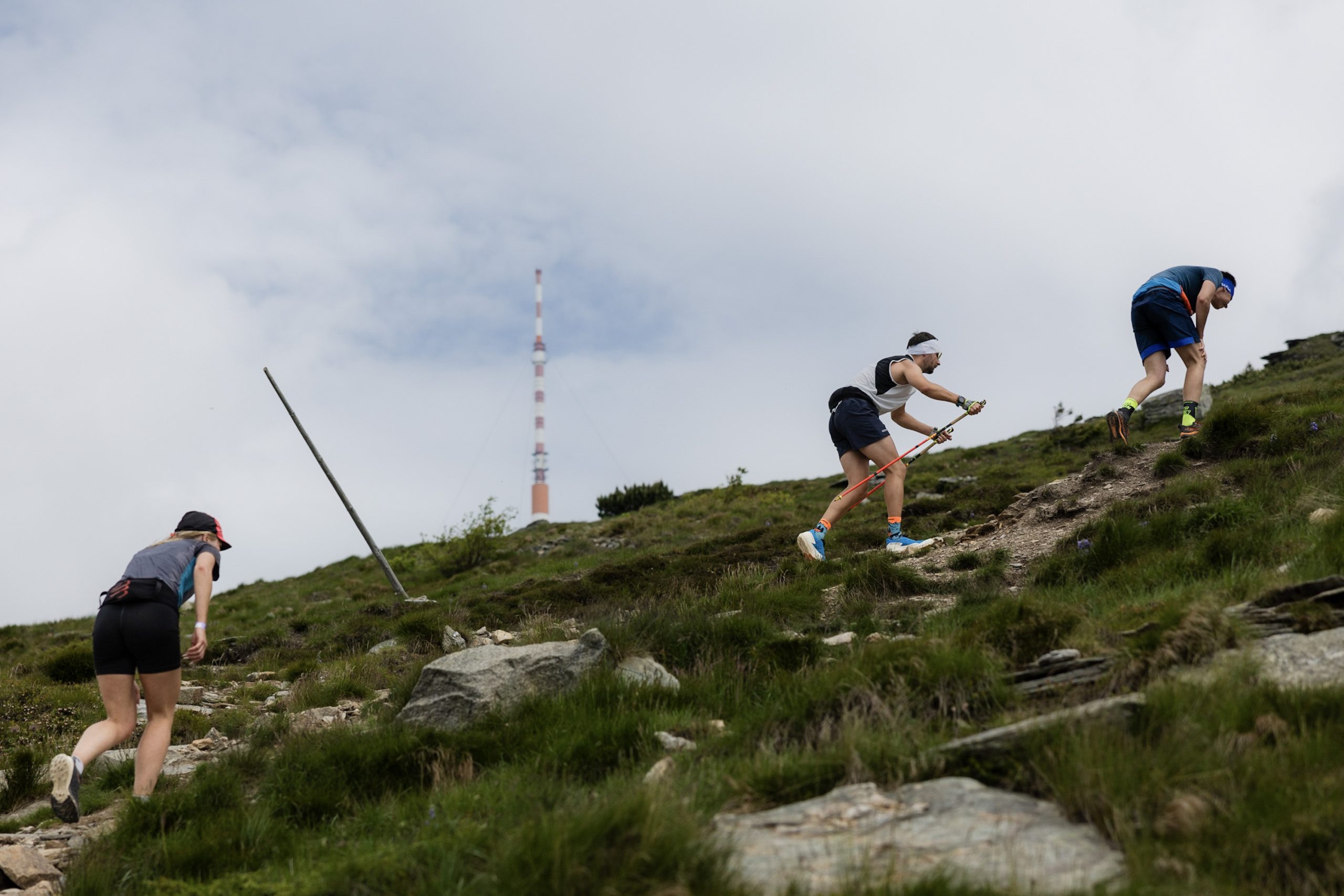
Kráľova hoľa is the highest peak of the eastern part of the Low Tatras, which is part of the European network of protected areas NATURA 2000 as the Kráľovohoľské Tatry Site of Community Importance. The convex peak of monumental shapes is a significant landscape landmark, typical for its extensive alpine and subalpine meadow communities. On the southern side, the massif of Kráľova hoľa descends with short slopes dissected by small valleys. On the northern side, where there were 3 smaller glaciers during the ice ages, there are 2 forested mountain ridges and valleys. Part of the valleys is concentrated into the shallow Teplická kotlina basin. Among the nature reserves nearby is the Martalúzka Nature Reserve, known for its unique geological phenomenon – a rock amphitheater.
The name “Martalúzka” likely originates from the historical term “Martalúzi,” used to describe bandit groups that once operated in the area where the Martalúzka Nature Reserve is located.
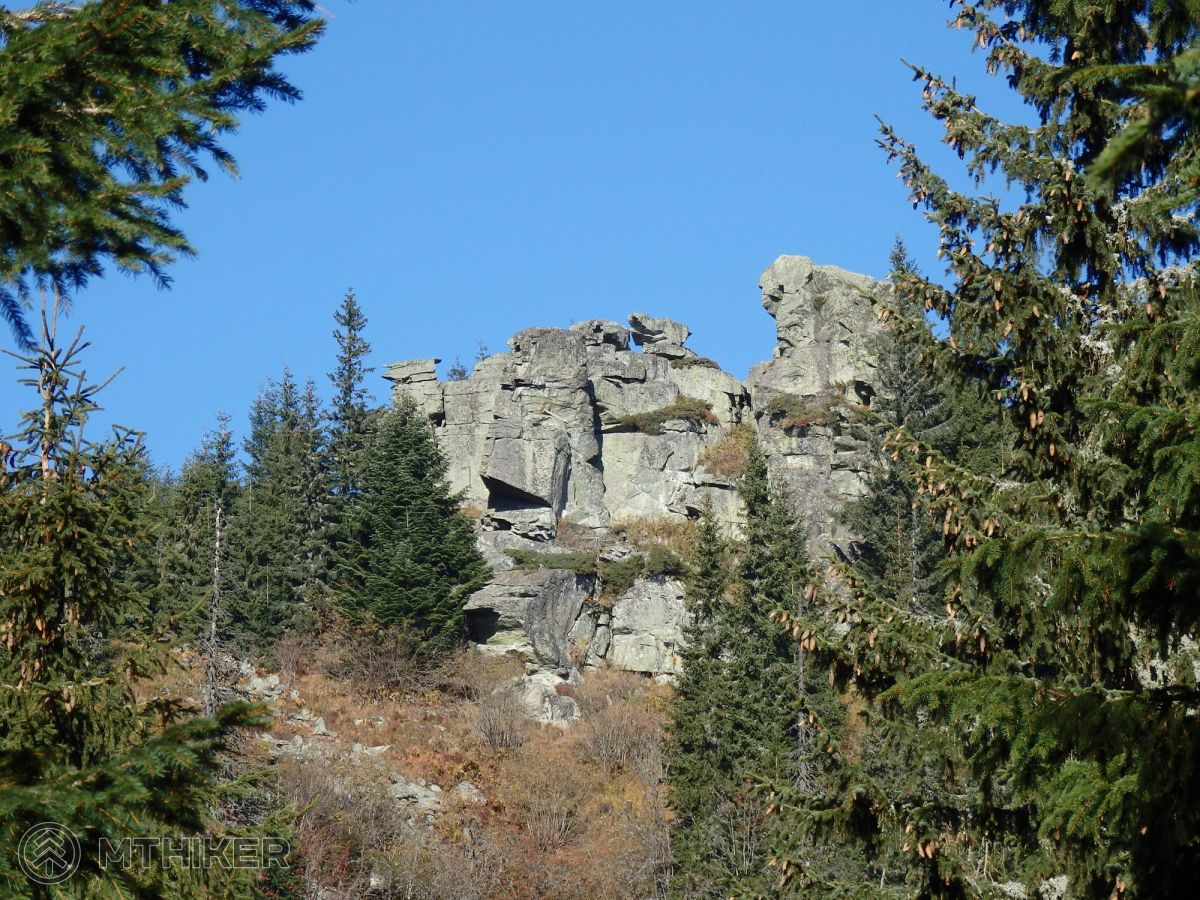
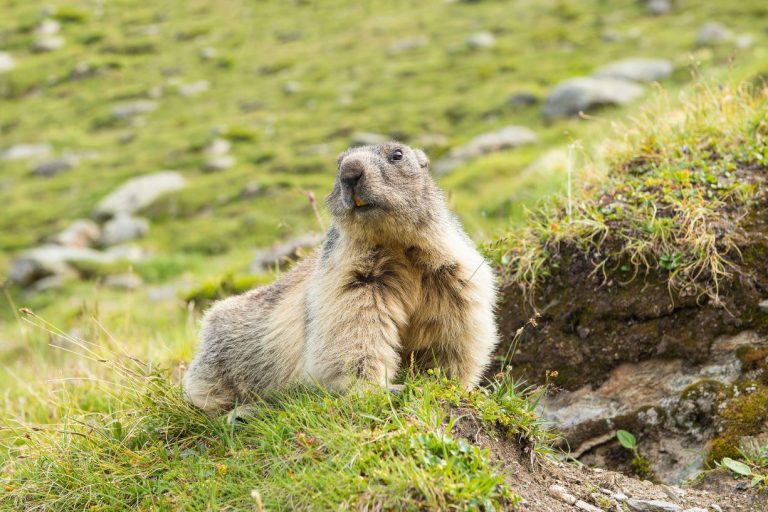
The central landmark of the nature reserve is an impressive rock amphitheater of exceptional landscape value. In this area, you can admire rare primeval forest stands, boulder fields, and the Hnilec stream bordered by marsh marigolds, which meanders through the rocks, cascading over numerous small waterfalls. The reserve, which represents an interesting transition from forests to the alpine meadow zone, is home to rare plant and animal species. You might even catch a glimpse of a marmot, a brown bear, or a Eurasian lynx.
Nature teaches us silence. Learn to listen to it. Here, where the wind turns the pages of stories in the treetops and the water remembers the tracks of both the bear and man, we are not masters – we are only guests.
The nature of the Low Tatras is not an attraction. It is a living world. Fragile, beautiful, rare. Wildness meets silence here, freedom meets balance.
For it to stay that way, it needs visitors who understand that nature conservation is not a restriction, but an invitation to respect.
Be visitors who are welcomed – by silence, the sounds of the forest, and a clear conscience. Nature will thank you if you give it peace.
These areas contribute to the conservation of biodiversity as the natural heritage of European states. The best-preserved parts of natural ecosystems are designated as small-scale protected areas.
Almost all Western Carpathian mountain and alpine species live here, many of which are endemic and relict. Rare species of insects and other small fauna find a home here, along with large mammals, rare carnivores, and numerous bird species.
Rare forest ecosystems have their home here. Many species of protected plants of European significance grow within the territory. These include vascular plants and bryophytes. Some of them are classified in critically endangered and vulnerable categories.
The eastern Kráľova hoľa section belongs to the Vepor belt. We can distinguish many climatic-geographical types here. The slopes of Kráľova hoľa are drained by rivers flowing to 3 cardinal directions.
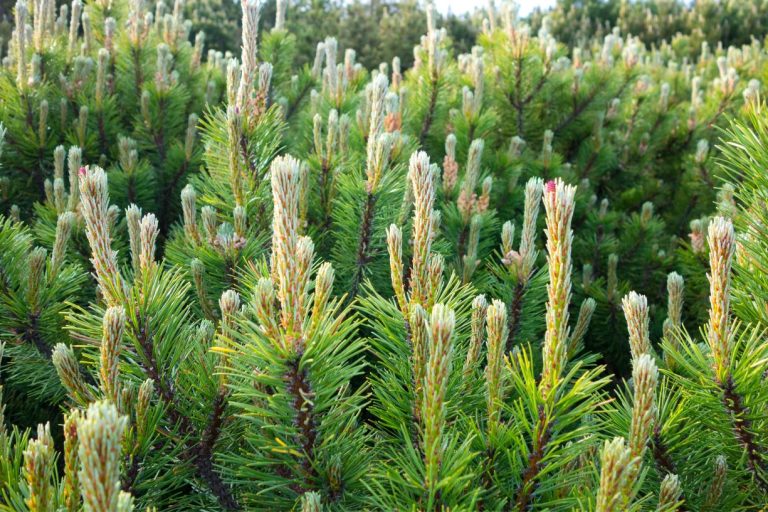
The Kráľova hoľa territory includes several valuable habitats, such as bilberry spruce forests (Piceetum vacciniosum), high-herb spruce forests (Piceetum magnoherbosum), bog spruce forests (Piceetum turfosum), dwarf mountain pine (Pinus mugo), alpine grassy-herbaceous communities on silicate substrates (Alpinetum herboso-silicaticum), high-herb alpine communities (Alpinetum magnoherbosum), and tall-sedge and tall-herb communities of mountain floodplains on silicate substrates (Ripario-herbosum silicaticum). Thanks to its vastness, diversity of conditions, and relative preservation, it provides a suitable living environment for numerous protected and threatened species of organisms.
The NAPANT Administration ensures the protection of the precious natural environment of the Low Tatras for future generations, while offering opportunities for relaxation, recreation, and well-managed tourism. Its beauty and unique natural treasures deserve special attention, which also calls for specific guidelines for visiting and recreation. Hikers have the opportunity to fully enjoy them without harming nature, ensuring it remains intact for generations to come.
Moving outside of these trails is prohibited in the national park, both for the sake of nature conservation and for your own safety – getting stuck in dwarf mountain pine or navigating a rock scree can lead to injury or losing your way. Just in case, we recommend having the mountain rescue app on your phone or saving the Mountain Rescue Service emergency number: 18 300.
Movement along hiking trails in the national park is permitted from one hour after sunrise to one hour before sunset, and camping and bivouacking are allowed only in designated areas. By following these rules, you not only respect wildlife, which is particularly active at night, but you also prioritize your own safety.
Do not make excessive noise, do not shout at each other, and listen to your favorite music through headphones – peace and quiet are an integral part of mountain relaxation, and for animals, they are often a condition for their survival.
Drone flights in the national park are prohibited, and in justified cases, they are subject to a special permit. Drones pose a risk especially to marmots and other animals that mistake them for birds of prey – their natural predators. They react by fleeing, which both stresses them and shortens the time needed, for example, to fatten up before winter, or for mating and raising offspring in the spring.
Always keep in mind that fire is a good servant but a bad master. Therefore, prioritize safety, and if you spot a fire, contact the firefighters on the emergency line 150.
This activity is prohibited in the national park, primarily because it damages habitats (the living spaces of animals). Also, keep in mind that many rocks, especially here around Chopok, have remained in the same state since the Ice Age, giving you a unique opportunity to see shapes carved by ancient glaciers. A specific problem is also so-called "happy stones" – painted pebbles scattered anywhere in nature – which is likewise undesirable. Why? You can read about it in the article.
Pohyb s bicyklom na území národného parku a jeho
ochranného pásma je možný len po štátnych a miestnych cestách, cyklotrasách
a trasách vyhradených návštevným poriadkom na individuálny vjazd a státie
bicyklom. Exponované prostredie hlavného hrebeňa je veľmi náchylné na eróziu,
aj preto je vyhradené výlučne peším návštevníkom.

Na našich webových stránkach využívame cookies, aby sme vám zabezpečili čo najlepší zážitok z prezerania webových stránok. Môžete spravovať svoje nastavenia cookies alebo jednoducho všetky prijať.